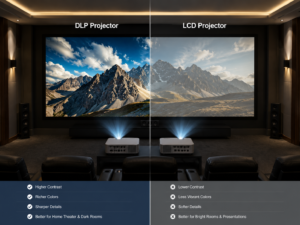
Choosing the right projector technology is essential for achieving the best visual performance in both home entertainment and professional presentation environments. Among the most widely used projection technologies today, DLP (Digital Light Processing) and LCD (Liquid Crystal Display) projectors are two leading options, each offering distinct advantages in image quality, color performance, and application scenarios.
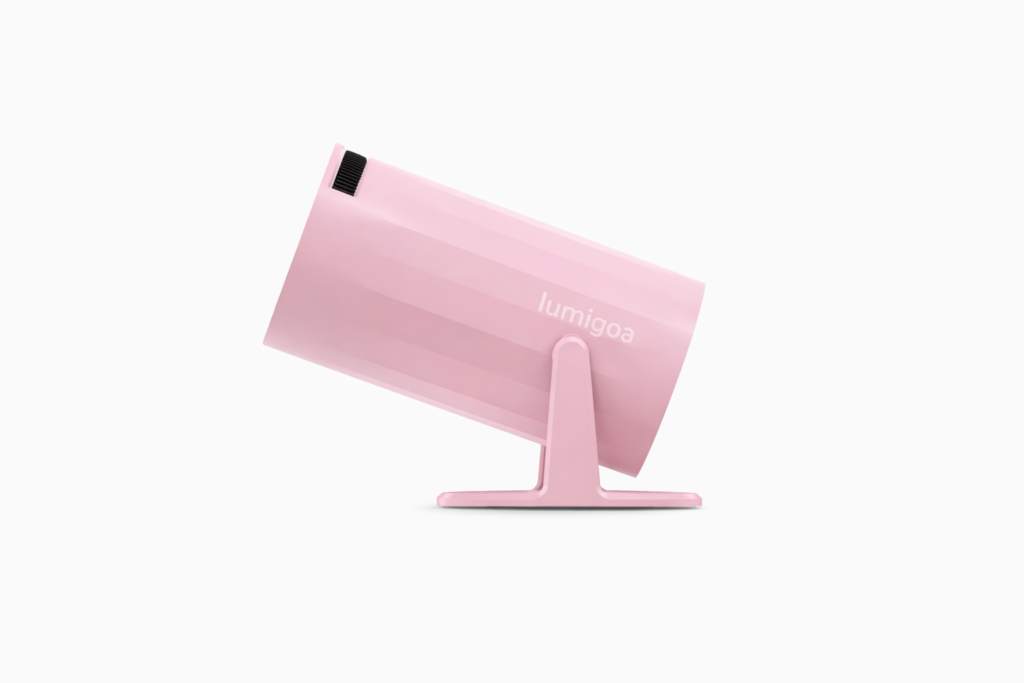
DLP projectors are highly regarded for their sharp image rendering, high contrast ratios, and smooth motion performance. Utilizing advanced Digital Light Processing technology, these projectors are commonly available in single-chip and three-chip configurations. Single-chip DLP projectors provide a cost-effective solution for home theaters, classrooms, and business presentations, while three-chip DLP systems deliver exceptional color accuracy and brightness levels for professional cinema, simulation, and large-scale commercial applications.
In comparison, LCD projectors rely on Liquid Crystal Display technology to produce vibrant colors and detailed visuals. They are widely appreciated for their excellent color saturation, energy efficiency, and suitability for multimedia presentations and video playback. Understanding the differences between these projector technologies can help users select the most appropriate solution based on their performance requirements, budget, and intended use cases.
Basic Concepts of DLP Technology
What Is DLP (Digital Light Processing) Technology?
DLP (Digital Light Processing) is an advanced projection technology developed by Texas Instruments. Known for its excellent image precision, reliability, and long-term performance, DLP technology has become one of the most widely adopted solutions in modern projection systems, including home theaters, business presentation equipment, educational displays, and professional cinema applications.
At the core of DLP technology is the Digital Micromirror Device (DMD), a sophisticated semiconductor chip containing thousands or even millions of microscopic mirrors. Each mirror represents a single pixel and rapidly tilts to reflect light either toward or away from the projection lens. By continuously adjusting these mirrors according to the digital video signal, DLP projectors can generate highly detailed, high-contrast, and exceptionally sharp images.
Compared with traditional projection technologies, DLP projectors are widely recognized for several key advantages:
- Outstanding image sharpness and clarity
- High contrast performance with deeper blacks
- Accurate and consistent color reproduction
- Fast response times for smooth motion display
- Reduced maintenance requirements and extended operational lifespan
Thanks to these advantages, DLP technology is commonly used in environments where image quality, reliability, and performance consistency are critical.
How DLP Projectors Work
Understanding the working principle of DLP projectors helps explain why they deliver such precise and stable image performance. Every DLP projector operates through a coordinated optical system that combines a light source, a Digital Micromirror Device (DMD), and a color processing mechanism.
1. Light Source
The projection process begins with a high-intensity light source. Depending on the projector model and application, this source may consist of:
- Traditional projection lamps
- LED light engines
- Advanced laser illumination systems
The light source provides the brightness required to project vivid images onto the screen.
2. Digital Micromirror Device (DMD)
The DMD chip is the core component of every DLP projector. It contains an array of microscopic mirrors that rapidly switch angles thousands of times per second. These mirrors precisely control how light is reflected through the optical system, forming the projected image pixel by pixel.
This digital mirror-based architecture enables DLP projectors to produce:
- High-resolution visuals
- Exceptional image sharpness
- Smooth motion performance
- Stable long-term image quality
3. Color Processing System
Color generation in DLP projectors varies depending on the projector configuration.
Single-Chip DLP Projectors
Single-chip DLP systems typically use a rotating color wheel that separates light into red, green, and blue components. The DMD processes these colors sequentially at extremely high speeds, allowing the human eye to perceive a full-color image.
These projectors are widely used in:
- Home theater systems
- Business presentations
- Educational environments
- Portable projection applications
Three-Chip DLP Projectors
High-end 3-chip DLP projectors eliminate the need for a color wheel by utilizing three separate DMD chips — one each for red, green, and blue light. This architecture significantly improves color accuracy, brightness, and overall image fidelity.
Three-chip DLP systems are commonly deployed in:
- Digital cinema projection
- Large venue installations
- Simulation systems
- Professional broadcast and commercial applications
Overall, DLP projectors combine advanced optical engineering with precise digital image processing to deliver bright, sharp, and reliable visual performance across a wide range of professional and consumer applications.
Three-Chip DLP Projectors
What Are Three-Chip DLP Projectors?
Three-chip DLP projectors represent the highest-performance category within DLP (Digital Light Processing) projection technology. Unlike single-chip systems, which rely on a rotating color wheel, three-chip DLP projectors utilize three independent Digital Micromirror Device (DMD) chips to process red, green, and blue light simultaneously.
Inside the optical engine, light generated by the projector’s illumination system is separated into the three primary colors through a precision prism assembly. Each color channel is directed to its dedicated DMD chip, where microscopic mirrors digitally modulate the image data in real time. The processed color channels are then recombined and projected through the lens to produce an exceptionally accurate and high-brightness image.
Because all three primary colors are displayed simultaneously rather than sequentially, three-chip DLP technology delivers superior visual performance compared to conventional single-chip projection systems.
Key Features of Three-Chip DLP Projectors
Exceptional Image Quality
One of the most significant advantages of three-chip DLP projectors is their outstanding image fidelity. By assigning a dedicated DMD chip to each primary color, these systems achieve highly accurate color reproduction, improved tonal consistency, and enhanced image depth.
This architecture allows for:
- More realistic and vibrant colors
- Enhanced contrast and grayscale performance
- Greater image precision and detail retention
- Improved cinematic and professional visual quality
As a result, three-chip DLP projectors are widely used in applications where visual accuracy is critical.
High Brightness Performance
Three-chip DLP systems are capable of delivering extremely high brightness levels, often reaching tens of thousands of lumens in professional-grade models. Since all color channels are processed simultaneously, light efficiency is significantly improved compared to single-chip designs.
This makes them ideal for:
- Large auditoriums
- Conference halls
- Digital cinema environments
- Museums and exhibition spaces
- Simulation and command center applications
Even in brightly lit environments, these projectors maintain strong color consistency and image clarity.
Minimal Rainbow Effect
The “rainbow effect” is a visual artifact sometimes associated with single-chip DLP projectors that use rotating color wheels. Since three-chip DLP systems process red, green, and blue light simultaneously, this issue is virtually eliminated.
This results in:
- More comfortable long-term viewing
- Smoother color transitions
- Improved viewing experience for sensitive users
Advantages of Three-Chip DLP Projectors
Outstanding Color Accuracy
Three-chip DLP projectors deliver industry-leading color precision and saturation, making them highly suitable for professional imaging applications where color integrity is essential.
Superior Brightness and Large-Screen Capability
Their advanced optical architecture supports ultra-high brightness output without compromising image quality, making them highly effective for large-format projection.
Enhanced Motion and Image Stability
DLP technology inherently provides fast response times and smooth motion rendering. In three-chip systems, this performance is further enhanced by simultaneous color processing and precise image synchronization.
Professional-Grade Reliability
Many high-end commercial and cinema projection systems rely on three-chip DLP technology because of its long-term stability, consistent image performance, and reduced maintenance requirements.
Limitations of Three-Chip DLP Projectors
Higher Initial Cost
Due to their sophisticated optical systems and multiple DMD chips, three-chip DLP projectors are significantly more expensive than standard single-chip models. They are typically designed for professional, commercial, or enterprise-level installations.
Larger Size and Heavier Design
Three-chip systems generally require more complex internal components and cooling systems, resulting in larger and heavier projector bodies. This can limit portability and increase installation requirements.
Maintenance and Light Source Replacement
Lamp-based three-chip projectors still require periodic lamp replacement after reaching their operational lifespan. However, many modern high-end models now incorporate laser light sources to reduce maintenance frequency and improve long-term operating efficiency.
Examples of Popular Three-Chip DLP Projectors
Several leading manufacturers have established strong reputations in the professional DLP projector market by delivering high-performance projection systems for cinema, simulation, enterprise, and home theater applications.
Some well-known examples include:
- SIM2 — Recognized for premium home theater and high-end visual display solutions with exceptional cinematic image quality.
- Christie — A leading provider of professional 3-chip DLP projectors for digital cinema, large venues, command centers, and immersive installations.
- Projectiondesign — Known for advanced simulation, visualization, and professional installation projectors.
- Runco — Specialized in luxury home theater projection systems with superior color performance and image accuracy.
These manufacturers demonstrate how three-chip DLP technology continues to dominate applications requiring ultra-high brightness, color precision, and long-term operational reliability.
Laser-Based DLP Projectors
What Is a Laser DLP Projector?
A laser DLP projector combines advanced laser illumination technology with Digital Light Processing (DLP) imaging architecture to deliver superior brightness, enhanced color accuracy, and extended operational lifespan.
Unlike traditional lamp-based projectors that rely on white light sources and rotating color wheels, laser-based systems generate red, green, and blue primary colors directly from laser light sources. The light is then processed through the DLP imaging system to create exceptionally sharp and vibrant projected images.
This modern projection technology has become increasingly popular in commercial projection systems, education, conference environments, home theaters, engineering visualization, and large venue applications.
As a professional projector manufacturer, we have witnessed strong market demand for laser-based projection systems due to their high efficiency, reduced maintenance requirements, and long-term performance stability.
How Laser-Based DLP Projectors Work
The operating principle of a laser DLP projector involves several key stages:
- Laser light sources generate red, green, and blue primary colors.
- The laser light passes through the optical engine and DLP imaging chip.
- Millions of microscopic mirrors inside the DMD chip precisely reflect light.
- The processed light is projected onto the screen, producing high-resolution and high-contrast visuals.
This architecture significantly reduces visible pixel gaps and improves image smoothness, creating a more immersive viewing experience.
Advantages of Laser-Based DLP Projectors
Longer Operational Lifespan
One of the biggest advantages of laser projectors is their exceptionally long service life. Most laser light engines can operate for approximately 20,000 to 30,000 hours without requiring lamp replacement.
This dramatically lowers maintenance costs and minimizes downtime.
Superior Image Quality
Laser illumination enables:
- More vivid color reproduction
- Higher brightness consistency
- Improved contrast ratios
- Sharper image detail
- Better HDR visual performance
These features make laser-based systems ideal for professional and commercial applications.
Lower Total Cost of Ownership
Although the initial investment may be higher, laser projectors typically offer lower long-term operational costs because they eliminate frequent lamp replacements and reduce maintenance requirements.
Energy Efficiency
Compared to conventional lamp-based projection systems, laser DLP projectors consume less energy while delivering higher brightness efficiency.
Limitations of Laser-Based DLP Projectors
Higher Initial Investment
Advanced laser illumination systems generally increase manufacturing and acquisition costs, making laser projectors more expensive than entry-level lamp-based models.
More Complex Optical Architecture
Laser projection systems utilize sophisticated optical and thermal management technologies, which may require professional servicing and technical expertise.
Popular Laser DLP Projector Models
Several laser-based DLP projector manufacturers currently offer highly regarded models in the market:
- Epson PowerLite L610U — 6,000 lumens with Full HD resolution and advanced enterprise connectivity.
- Optoma ZH403 — Compact laser projector featuring 4,000 lumens and IP5X-certified dust resistance.
- BenQ LH720 — Designed for business and educational environments with optimized presentation performance.
When selecting a laser projector, buyers should evaluate brightness requirements, installation environment, operating hours, and long-term ownership costs.
LED-Based DLP Projectors
What Is an LED DLP Projector?
An LED DLP projector uses LED (Light Emitting Diode) technology instead of traditional projection lamps as its illumination source. This design improves energy efficiency, operational lifespan, and portability while reducing heat generation.
LED-based projection systems are especially popular for portable projectors, home entertainment, business travel presentations, educational applications, and compact multimedia systems.
Unlike conventional lamp projectors, LED light sources provide instant startup and shutdown functionality without warm-up or cool-down delays.
Advantages of LED-Based DLP Projectors
Extended Lifespan
Most LED projection systems can operate for more than 20,000 hours, significantly reducing maintenance frequency and replacement costs.
Improved Energy Efficiency
LED technology consumes less power compared to lamp-based systems, helping reduce electricity consumption and environmental impact.
Instant On/Off Capability
LED projectors power on and off almost instantly, making them highly convenient for meeting rooms, classrooms, and mobile applications.
Compact and Portable Design
Because LEDs generate less heat, manufacturers can design smaller and lighter projector systems.
Limitations of LED DLP Projectors
Lower Brightness Output
Although LED technology continues to improve, most LED projectors still produce lower brightness levels than laser or high-powered lamp systems.
This can limit performance in environments with strong ambient lighting.
Limited Color Performance in Entry-Level Models
Lower-cost LED projectors may struggle to achieve the same level of color accuracy and brightness consistency as premium laser projection systems.
Popular LED DLP Projectors
Several LED-based DLP projectors have gained popularity in portable and compact projection markets:
- AAXA Technologies P6X — Portable projector with up to 160-inch image capability.
- Optoma ML750 — Compact WXGA projector with LED illumination and DLP imaging technology.
- LG PF50KA — Portable Full HD projector featuring USB Type-C connectivity and wireless functionality.
When choosing an LED projector, users should carefully evaluate brightness requirements, portability needs, and intended application scenarios.
Comparison of Different Types of DLP Projectors
Image Quality and Color Accuracy
Modern DLP projection technology is widely recognized for delivering:
- Sharp image rendering
- Excellent motion performance
- High pixel precision
- Strong color consistency
Three-chip DLP systems provide the highest color accuracy, while laser-based DLP projectors offer enhanced brightness and HDR performance.
Brightness and Contrast Ratio
Brightness and contrast are critical factors when selecting a professional projector.
DLP projectors typically offer:
- High brightness performance
- Strong black level reproduction
- Excellent contrast ratios
- Improved visual depth and image realism
Laser-based systems generally provide the best overall brightness efficiency and image consistency.
Longevity and Maintenance
One major advantage of modern DLP projectors is their durability and relatively low maintenance requirements.
Typical lifespan comparisons:
| Projector Type | Estimated Lifespan |
|---|---|
| Lamp-Based DLP | 3,000–6,000 hours |
| LED DLP | Up to 20,000 hours |
| Laser DLP | 20,000–30,000 hours |
Laser and LED projectors significantly reduce maintenance costs by eliminating frequent lamp replacements.
Price Range and Affordability
The DLP projector market covers a wide range of price segments:
- Entry-level portable LED projectors
- Mid-range business and education projectors
- High-end laser projection systems
- Premium three-chip professional cinema projectors
Buyers should balance performance requirements with long-term ownership costs when selecting the right solution.
Key Considerations When Choosing a DLP Projector
Intended Use and Installation Environment
The first step in selecting a DLP projector is understanding the application environment.
Common applications include:
- Home theater projection
- Business presentations
- Gaming and entertainment
- Education and training
- Large venue installations
Ambient lighting conditions, room size, and usage frequency all influence projector selection.
Resolution and Aspect Ratio
Higher resolutions improve image clarity and visual detail.
| Resolution | Aspect Ratio | Recommended Use |
|---|---|---|
| SVGA (800×600) | 4:3 | Basic presentations |
| XGA (1024×768) | 4:3 | Standard office use |
| WXGA (1280×800) | 16:10 | Widescreen presentations |
| Full HD (1920×1080) | 16:9 | Home theater and video |
Many modern 4K DLP projectors now offer enhanced ultra-high-definition viewing experiences.
Connectivity Options
Modern projection systems should support flexible connectivity, including:
- HDMI
- USB
- VGA
- Wi-Fi and wireless casting
- Bluetooth audio integration
Advanced connectivity improves compatibility across business and multimedia environments.
Throw Distance and Screen Size
Projection distance determines installation flexibility.
Common throw types include:
- Short-throw projectors
- Standard-throw projectors
- Long-throw projectors
Choosing the correct throw ratio ensures optimal image size and installation efficiency.
Budget and Total Cost of Ownership
In addition to the initial purchase price, buyers should evaluate:
- Maintenance costs
- Lamp replacement expenses
- Energy consumption
- Installation requirements
- Long-term operational reliability
As an experienced projector manufacturer, we always recommend considering both performance and lifecycle cost when selecting a projection solution.
Future Trends in DLP Projector Technology
Higher Resolution and Pixel Density
The future of DLP projection technology is moving rapidly toward:
- Affordable 4K and 8K projection
- Enhanced pixel density
- Improved image sharpness
- More immersive large-screen experiences
Emerging technologies such as MicroLED integration may further improve brightness and image precision.
Enhanced Color Reproduction and HDR Performance
Future DLP projectors will continue improving:
- Wider color gamut coverage
- HDR compatibility
- Higher contrast ratios
- More realistic visual reproduction
These advancements will significantly enhance both commercial and home entertainment applications.
Smarter Connectivity and Intelligent Features
Next-generation projectors are increasingly integrating smart technologies, including:
- Wireless streaming
- Voice assistant support
- Built-in operating systems
- Automatic focus and keystone correction
- AI-powered image optimization
As the projection industry evolves, intelligent and connected DLP projector solutions will become standard across both consumer and professional markets.
Conclusion
Choosing the right DLP projector depends on your specific application requirements, installation environment, and budget expectations. From compact LED DLP projectors designed for portable entertainment and business presentations to high-brightness laser DLP projectors and professional three-chip DLP systems, each technology offers unique advantages in image quality, brightness performance, color accuracy, and operational lifespan.
As modern projection technology continues to evolve, DLP projectors are becoming increasingly advanced, featuring higher resolutions, smarter connectivity options, improved HDR performance, and more energy-efficient light sources. These innovations are driving broader adoption across home theaters, education, conference rooms, digital signage, simulation systems, and large-scale commercial installations.
As a professional projector manufacturer, we understand that selecting the ideal projection solution requires balancing visual performance, reliability, maintenance costs, and long-term value. By understanding the differences between various types of DLP projection technology, buyers can make more informed decisions and choose a projector system that best matches their professional or entertainment needs.
Whether you are looking for a compact portable projector, a business presentation solution, or a high-end professional projection system, modern DLP projectors continue to provide exceptional image performance, durability, and viewing experiences across a wide range of applications.